








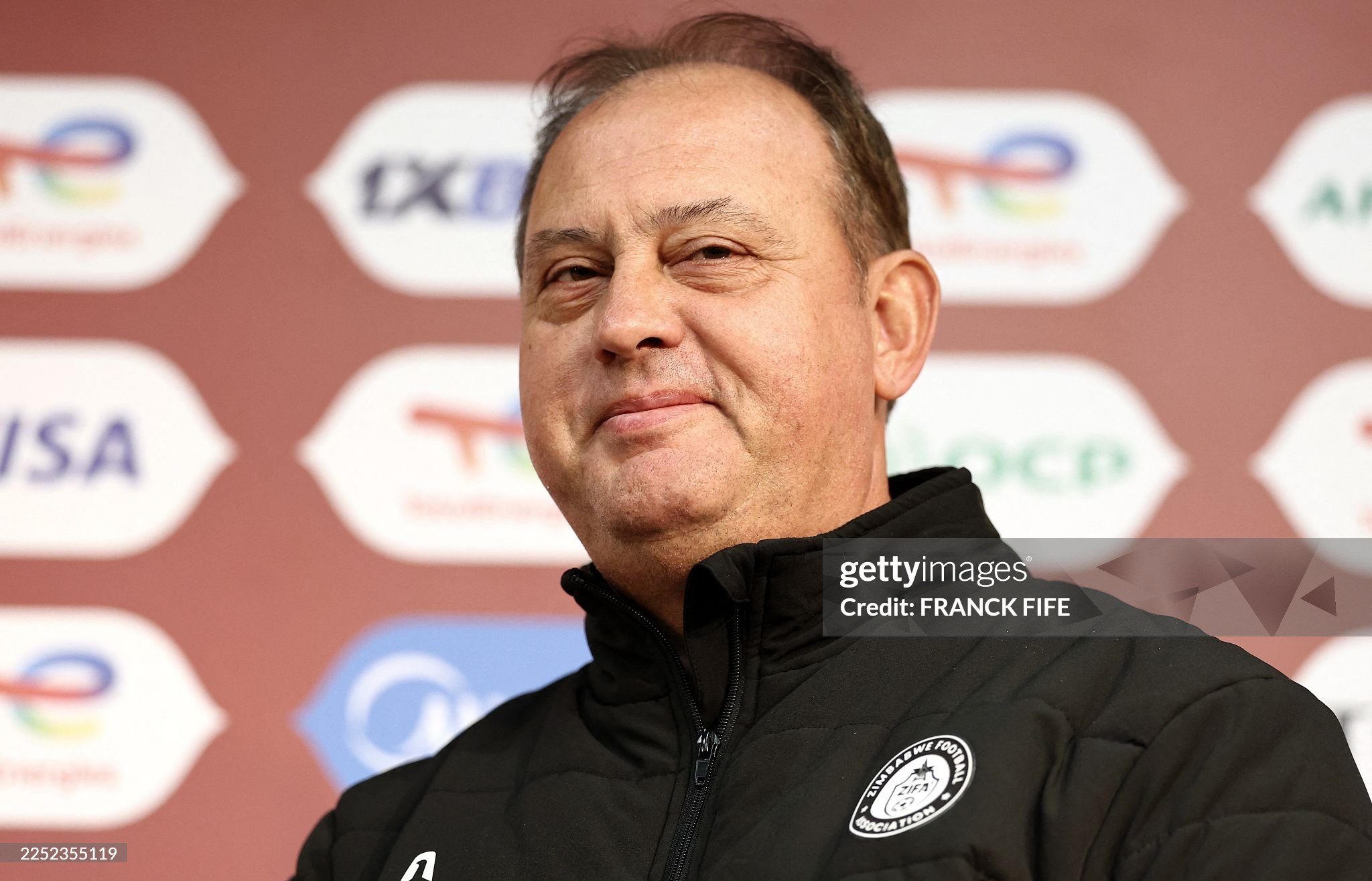
Mario Marinica’s exit from the Warriors appears to belong to the latter category. Officially, it was an amicable and mutual separation, one driven by personal circumstances rather than football politics. Yet the tone coming from ZIFA suggests a relationship neither side was eager to end.
It is the sporting equivalent of watching a partner walk away not because the relationship has broken down, but because life has pulled them in a different direction. You understand the reasons. You respect the decision. But that does not make the departure any easier to accept.
“It was an amicable resignation. I mean, it was, of course, personal reasons. And as you know, I mean, when somebody gets into a job, the next thing is for them to resign or leaving,” Magwizi said.
For ZIFA president Nqobile Magwizi, the lasting memory is not merely that Marinica left, but what he left behind. During his tenure, the Warriors found a habit that has often eluded them in recent years: scoring goals.
Zimbabwe found the net in every match under Marinica, a statistic Magwizi repeatedly returns to when reflecting on the coach’s impact.
“You notice that even during his time, we were scoring in all the matches, which was very, very good.”
In a national team setup where goals have sometimes been scarce, that attacking consistency offered a glimpse of what might have been.
Marinica’s influence, Magwizi argues, extended beyond results and into the confidence and mentality of the players themselves.
“He’s left something. He’s impacted something positive on our boys,” Magwizi added.
“I would like to believe that as we go into the future, part of his input will contribute to the future growth of Zimbabwe football.”
There is no bitterness in the aftermath, only appreciation. The resignation was mutual, the respect remains intact and the door appears to have closed gently rather than slammed shut. Yet beneath the diplomacy lies a sense that Zimbabwean football may have been saying goodbye to a coach whose best work was still ahead of him.